Impact
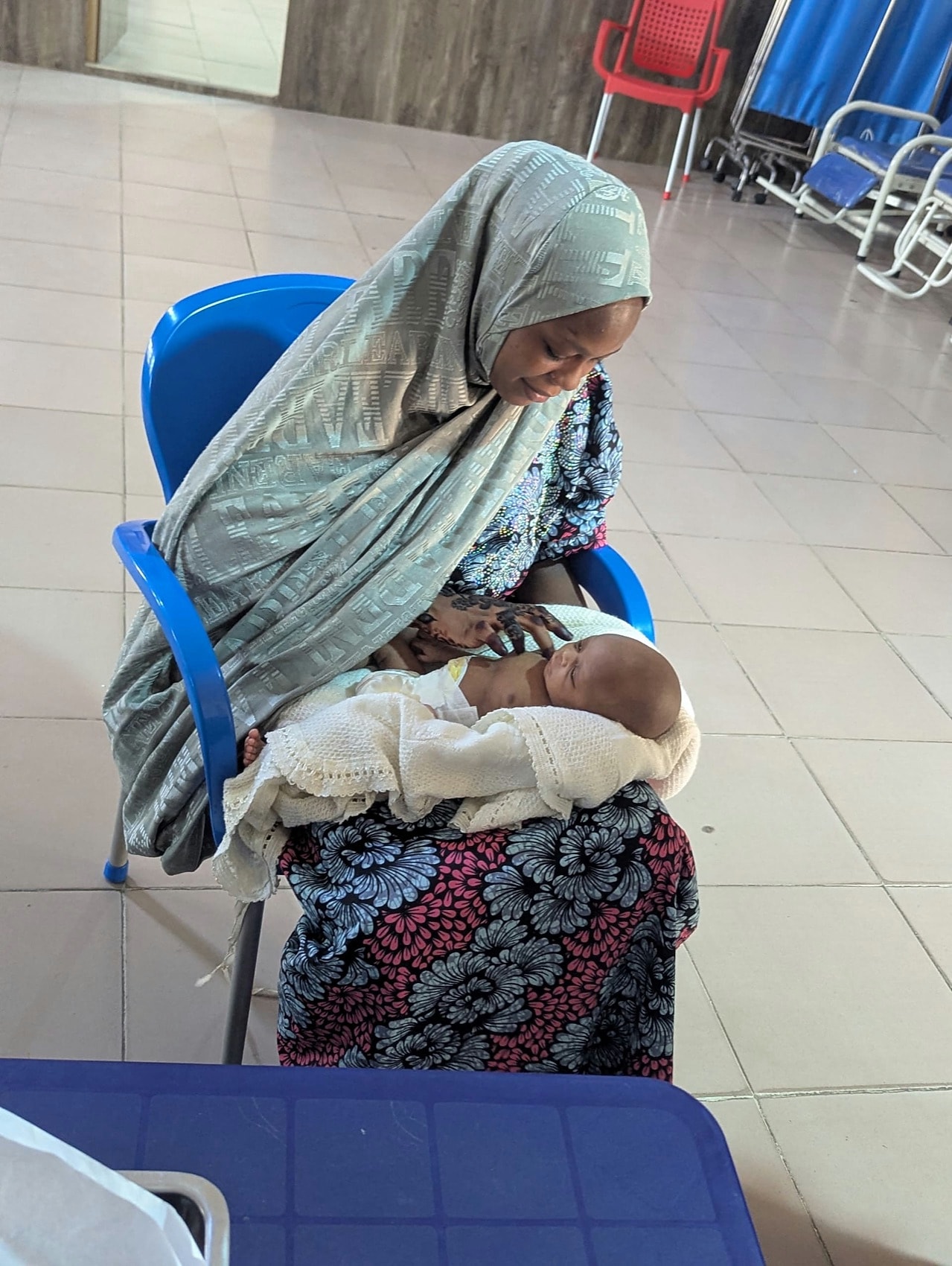
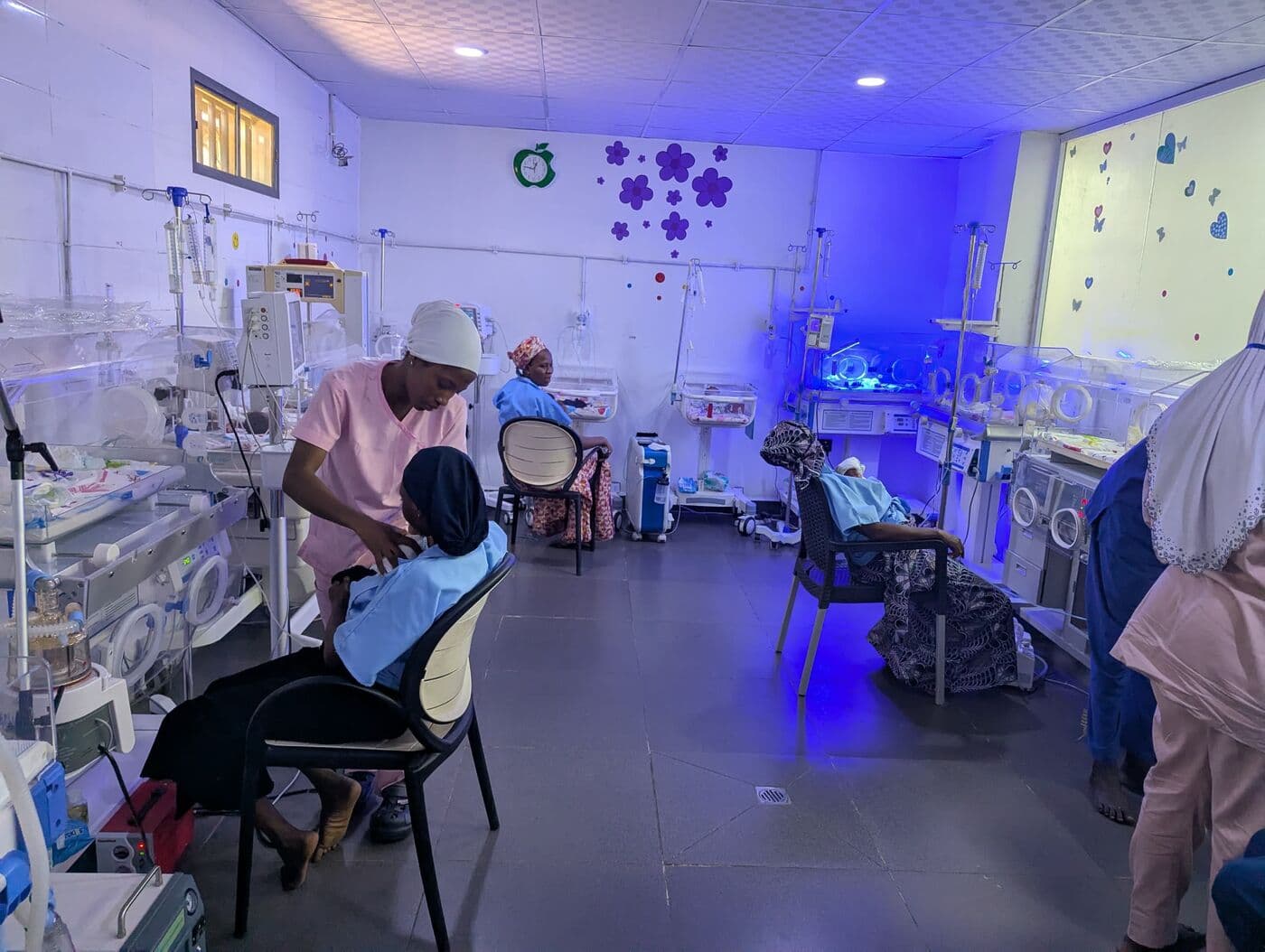
1,097 premature and underweight newborns cared for.
785 of 869
Premature and underweight newborns alive at day‑28 follow‑up.
1,053 of 1,097 newborns
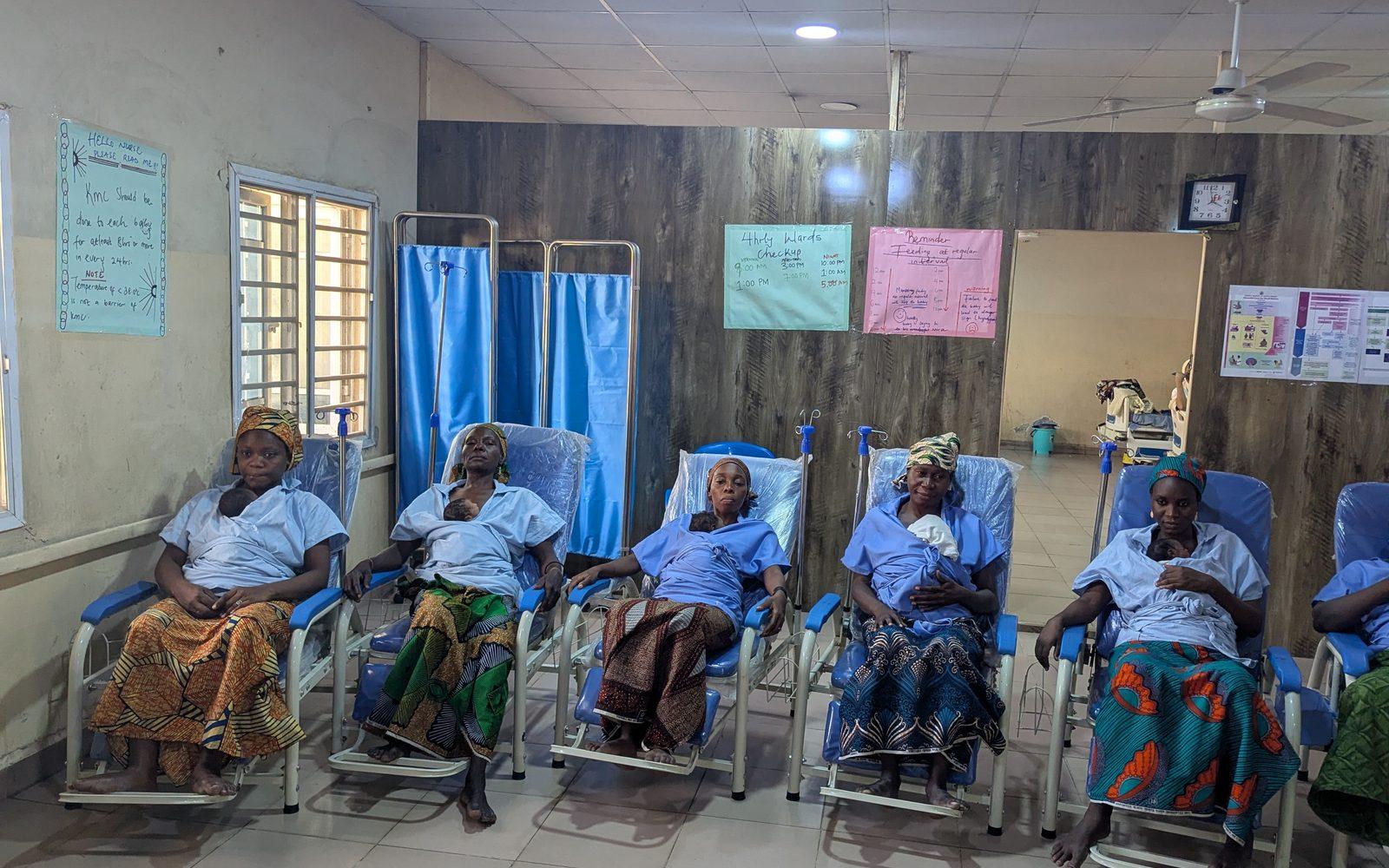
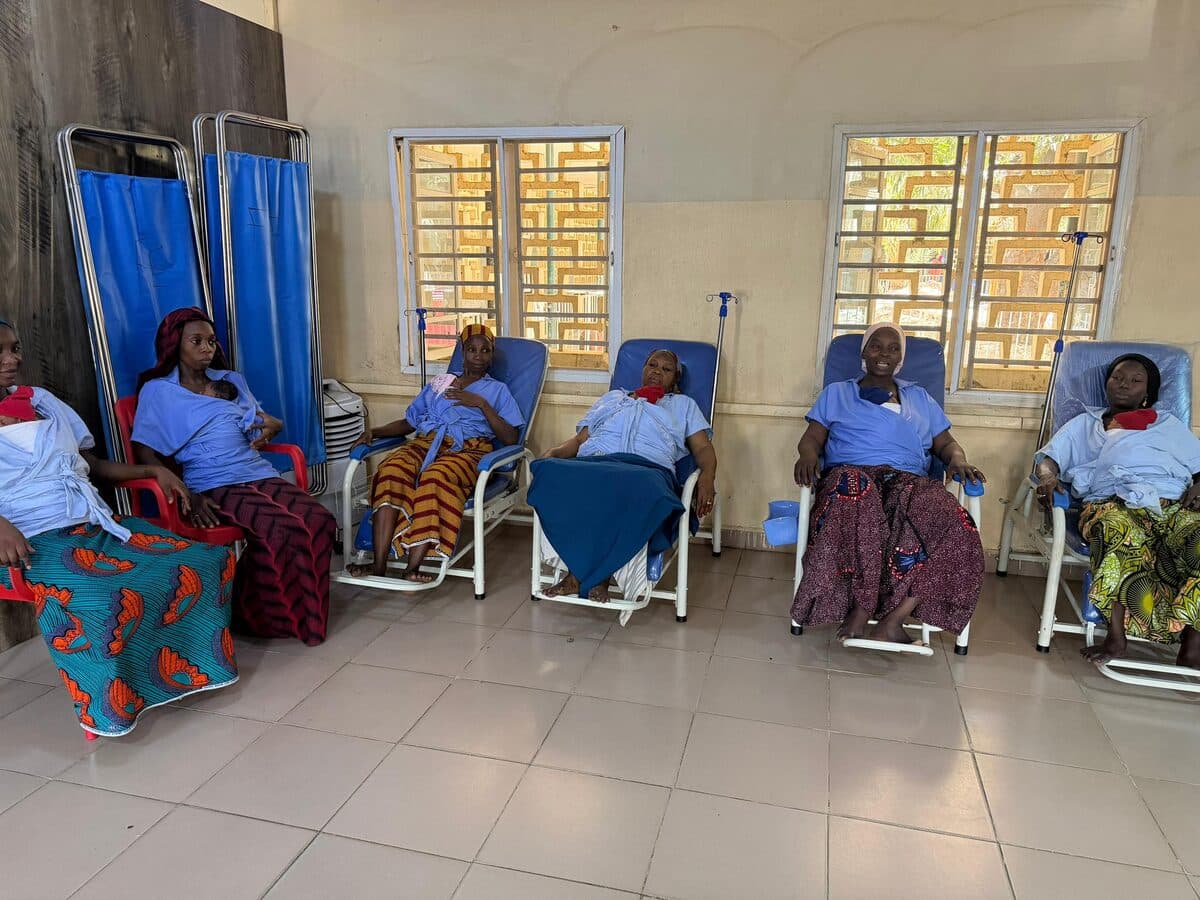
Proportion of newborns who received Kangaroo Care.
733 of 785 followed up at home
Newborns still receiving Kangaroo Care at home.
869 of 923 newborns
Newborns who were not lost to follow up.
530 of 1,076 newborns
Newborns whose every recorded feed was breast milk.
353 of 615
Early initiation reduces risk of mortality by an additional 25%. Newborns referred in are often brought into hospital after this.
Queried from the ward database on 17 November 2026 at 05:51 Kano time. These figures are recomputed every six hours.
Outcomes
We compare outcomes against hospital baselines and estimates derived from authoritative data (UNICEF, NDHS). All data is shared with the Kano State Ministry of Health.
Our method for estimating national vulnerable neonatal mortality replicates the approach used by GiveWell here. We prospectively collect our hospital baseline ourselves. See methodology here.
Hospital 1 takes both inborn and referred newborns, so to maximise comparability its baseline leaves out newborns who died on day 0 or day 1 of life, sooner than we would have been able to register them. Unrestricted, mortality there was 26%.
Over time
Kano State, since February 2026. Refreshed daily. All of our data is shared with the Kano State Ministry of Health.
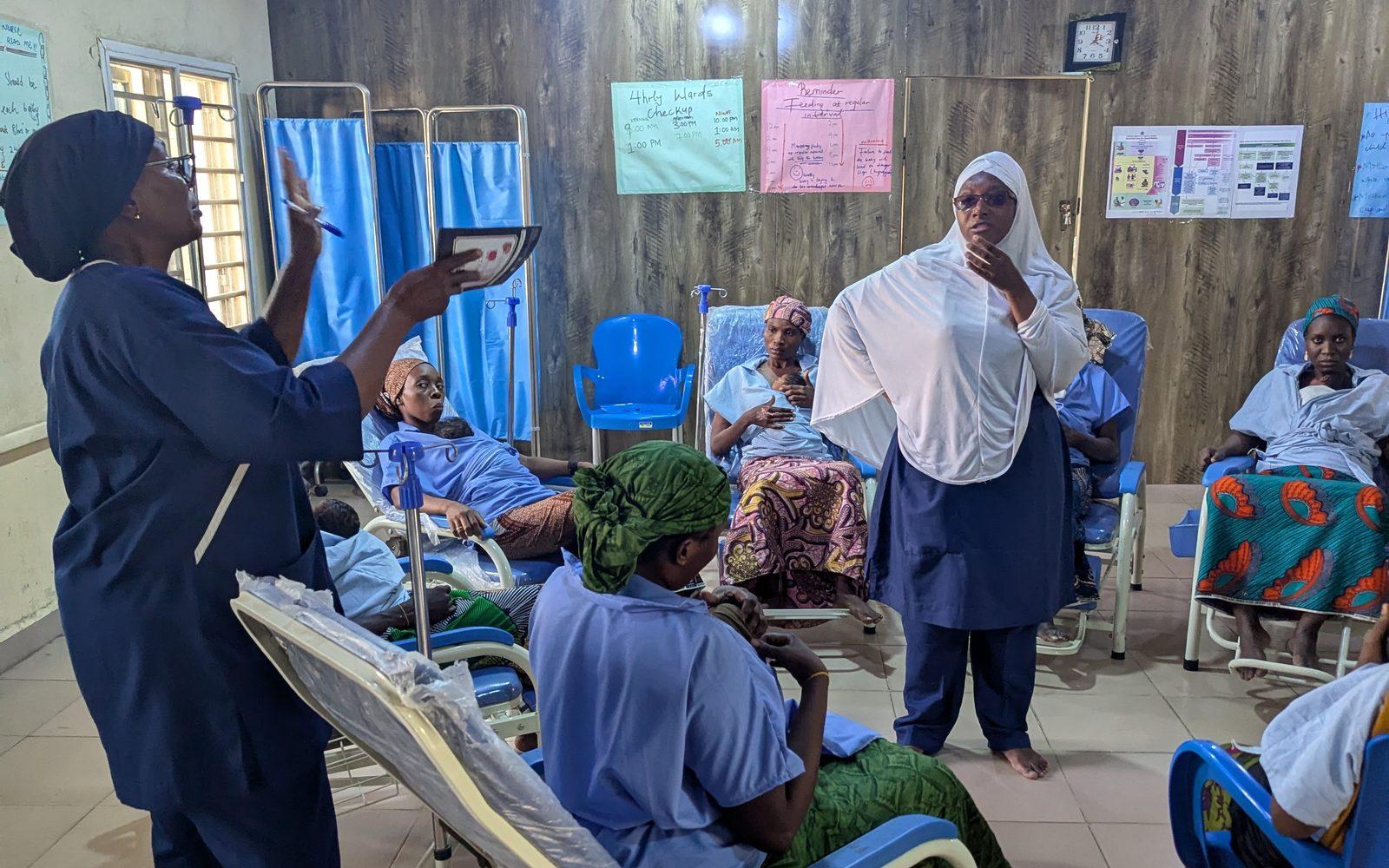
Methods
Where the numbers come from
Nurses log every Kangaroo Care session as it happens, and this site queries that database directly.
How we compare
Against a baseline taken at the same hospital before we started, and against national estimates from UNICEF and NDHS data.
Vision
The Nigerian Government aims for 95% of vulnerable newborns to receive Kangaroo Care by 2030.
Around
Vulnerable newborns do not survive their first month in Nigeria.
Our estimate, using GiveWell methodology.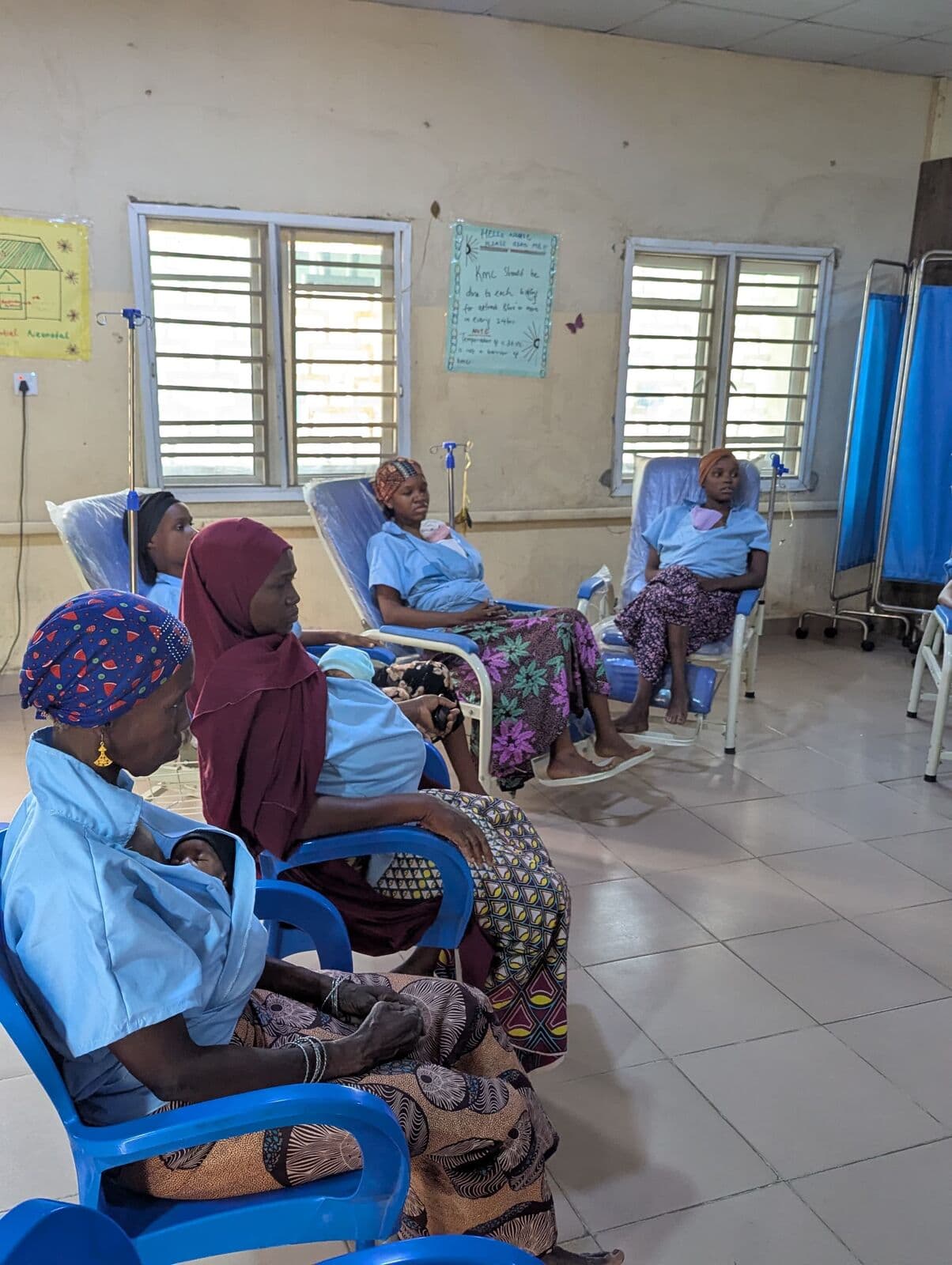
More newborns could survive every year, at national scale.
Estimated effect of bringing Kangaroo Care to national scale in Nigeria.